Reference database of Italian stoneflies
We are building a DNA barcode reference library for Italian stoneflies, to make species identification in our watercourses' metabarcoding data reliable.
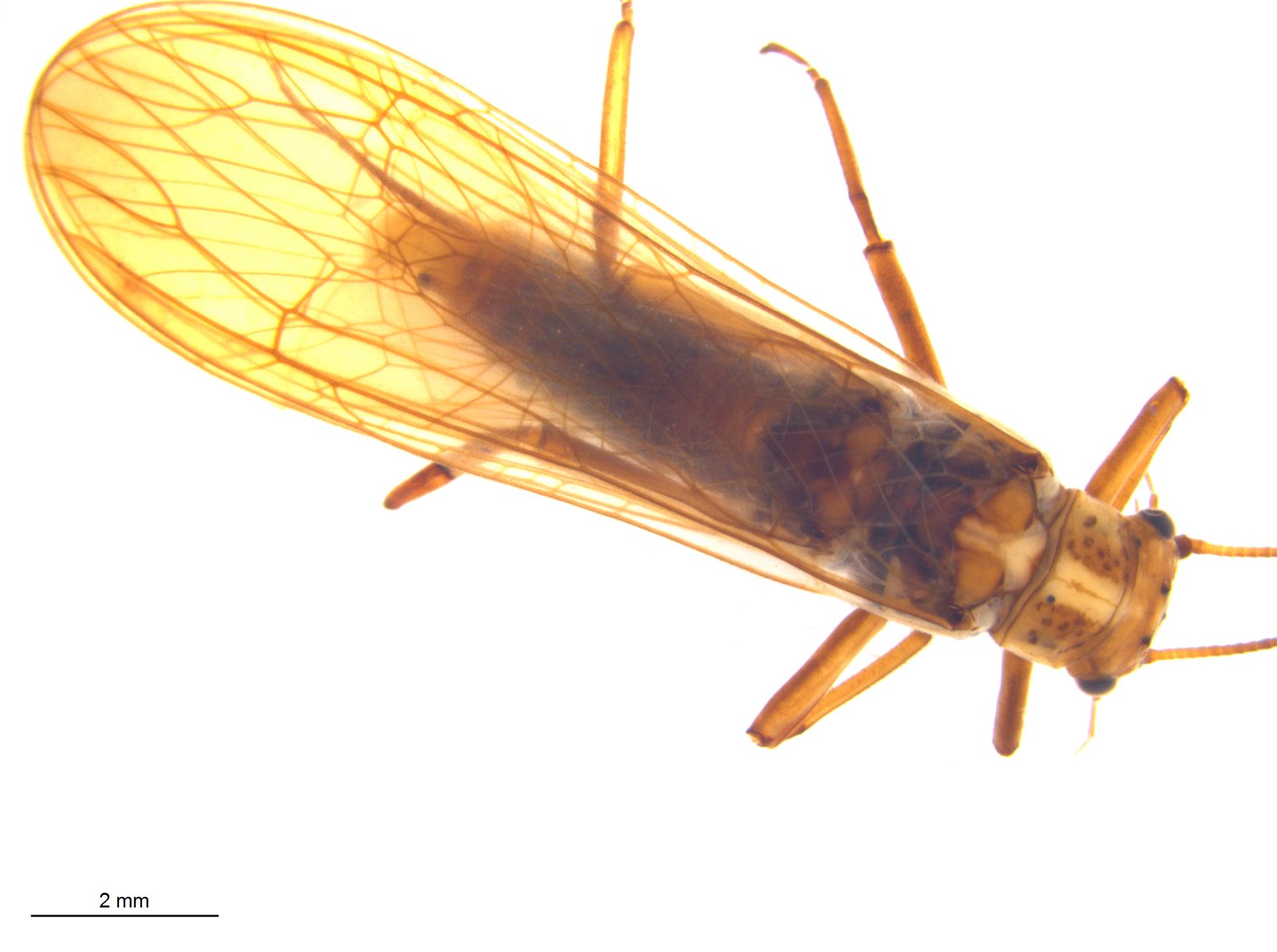
Stoneflies (Plecoptera) are an insect order that mainly inhabits mountain and hill streams. Like other aquatic insects, stoneflies have a juvenile stage that lives in water and an adult stage that lives on land. These insects are widely used for freshwater biomonitoring, where they represent the most pollution-sensitive group of invertebrates. Ecologically they are highly diversified, with species that feed on fine and coarse organic detritus and species that prey on other aquatic invertebrates.
According to the latest estimates, around 170 stonefly species occur in Italy. About 30% of the species present in Italy are endemic, restricted to very small ranges. This can partly be explained by their poor flight ability, so much so that some species have reduced wings or are entirely wingless. Unfortunately the geographic distribution of many species is poorly known, to the point that some are known from a single locality. Given the scarcity of monitoring programmes based on traditional methods - which will most likely not increase in the future either - environmental DNA could represent a tool for improving our knowledge of the distribution of these insects.
To make the best use of results obtained with environmental DNA techniques, reference sequence databases need to be as complete as possible. These databases are essential because they allow a species name to be assigned to the sequences recovered through environmental DNA. A recent study carried out by our research group, however, highlighted how the number of Italian stonefly species with reference sequences is limited, especially for endemic species. Through collaboration with national and international stonefly experts (including Gilles Vinçon, Tiziano Bo and Stefano Fenoglio), we are proceeding with barcoding the missing species, making extensive monitoring of these remarkable insects possible.
Without a reference database, much of the genetic signal collected in monitoring projects risks staying stuck at family or genus level, losing the resolution needed to compute reliable biological quality indices.
The project is continuously expanding: each sampling campaign adds new species and new geographic populations to the database, progressively filling the gaps that still remain for the Italian fauna.